Sleep Science & Behaviour Change
Revenge Bedtime Procrastination
The science-backed method to reclaim your sleep and break free from late-night scrolling — once and for all.
In This Guide
The clock strikes midnight. You know you should be asleep, but here you are — thumb scrolling through endless feeds, watching just one more video, or diving deep into rabbit holes you will forget by morning. You are experiencing revenge bedtime procrastination, and you are definitely not alone.
This phenomenon has exploded in our always-connected world, where millions of people sacrifice sleep to reclaim a sense of control over their time. What starts as a small rebellion against busy schedules quickly becomes a cycle that steals your energy, focus, and well-being.
Breaking free is not about willpower. It is about understanding the psychology behind it and implementing strategies that work with your brain, not against it.
Understanding the Psychology
Revenge bedtime procrastination is your brain’s attempt to restore psychological balance. When your days feel packed with obligations, deadlines, and other people’s demands, your mind desperately seeks moments of autonomy and pleasure. Dr. Floor Kroese, who first coined the term, describes it as delaying sleep to engage in leisure activities despite knowing the negative consequences.
Your brain essentially says: “I did not get enough me-time today, so I am taking it now — even if it means sacrificing tomorrow’s energy.” This behaviour triggers your reward system. Each scroll, click, or swipe releases small hits of dopamine, creating a feedback loop that is genuinely addictive.
Who Is Most at Risk?
Research shows that individuals with high-stress jobs, caregiving responsibilities, or packed schedules are most susceptible. Your brain does not distinguish between healthy self-care and destructive habits when it comes to reclaiming autonomy.
Why Your Brain Craves Control After Dark
The evening hours represent freedom from external demands. No boss checking in. No urgent emails. No family members needing attention. This perceived control is intoxicating, especially for people who feel overwhelmed during the day. Whether you are reading a book, taking a bath, or scrolling social media, the psychological payoff feels identical: this time is mine.
Your phone has become a portal to instant gratification in a world that constantly demands delayed rewards.
The Hidden Costs
Physical Health Consequences
Sleep deprivation creates a cascade of health issues beyond simply feeling tired. Your immune system weakens, hormone regulation becomes disrupted, and chronic sleep loss links to increased risk of diabetes, heart disease, and obesity.
Blue light from screens suppresses melatonin production — the natural sleep hormone — delaying it by hours and making it harder to fall asleep even when you finally put the phone down.
Mental Performance Impact
Sleep-deprived brains struggle with focus, decision-making, and emotional regulation. Memory consolidation suffers — during sleep, your brain processes and stores information from the day. Cut this short and you are literally hampering your ability to learn.
Most ironically, sleep deprivation makes you more likely to procrastinate the next day, creating a vicious cycle.
Warning
Poor sleep leads to poor time management the following day — which leads to more revenge bedtime procrastination that night. The cycle feeds itself unless deliberately broken.
Sleep deprivation makes you more likely to procrastinate tomorrow — which leads to more bedtime procrastination tomorrow night.
The 4-Phase Recovery System
Awareness Building
Breaking the cycle starts with honest self-assessment. For one week, track your bedtime procrastination without trying to change it. Note triggers, chosen activities, and how you feel the next day.
Common triggers to watch for:
- → Feeling like you did not accomplish enough during the day
- → Stress from work or personal relationships
- → Fear of missing out on social media content
- → Difficulty transitioning from doing mode to rest mode
Environment Design
Your physical environment plays a massive role in bedtime procrastination. Small changes can eliminate temptation and make healthy choices easier.
Charging Station
Create one outside the bedroom. Remove the most common source of bedtime procrastination entirely.
Dim the Lights
Two hours before bed, dim lights throughout your home. Signals your brain to begin producing melatonin.
Bedroom Sanctuary
Remove work materials and anything that reminds you of daytime responsibilities.
Traditional Alarm
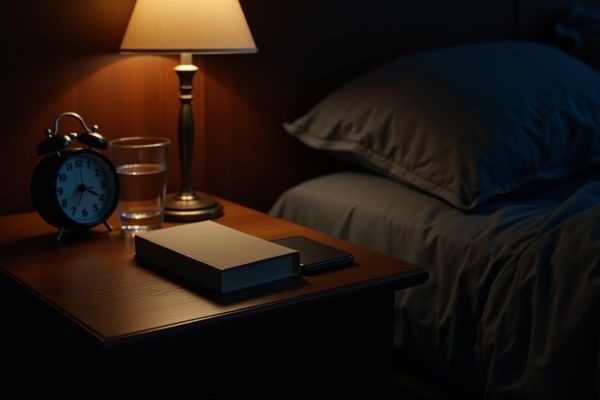
Replace phone dependency with a dedicated alarm clock. Remove the excuse to keep your phone beside the bed.
Routine Reconstruction
Replace bedtime procrastination with activities that provide the same psychological benefits — autonomy, pleasure, and control — without sacrificing sleep. Create a transition ritual that bridges the gap between day and bedtime.
Transition ritual ideas:
- → Taking a warm bath or shower
- → Reading fiction (not work-related material)
- → Gentle stretching or yoga
- → Journaling about the day’s accomplishments
Key insight: Schedule 30–60 minutes of guilt-free leisure time earlier in the evening. When this has clear boundaries, you are far less likely to steal it from sleep later.
Long-Term Maintenance
Sustainable change requires addressing root causes, not just symptoms. Examine your relationship with time, productivity, and self-care. Consider whether your daily schedule allows adequate downtime — if you are constantly rushing, your brain will naturally seek relief at night.
Develop a growth mindset about setbacks. You will occasionally fall back into old patterns. Instead of viewing lapses as failures, treat them as data points that help you refine your approach.
Digital Boundaries That Actually Work
Effective digital boundaries require both technological solutions and behavioural changes. Start with your phone’s built-in tools: set app time limits, enable Do Not Disturb modes, and use greyscale settings to make your screen less visually appealing.
Phone Parking Spots
Create designated places throughout your home where devices go during specific times. Physical separation makes mindless scrolling less convenient and more intentional.
Digital Sunset
Establish a one-to-two hour screen-free window before bedtime. All screens off except for essential communication. Non-negotiable.
The One-Tab Rule
For evening computer use, keep only one browser tab open. Close it when finished. Prevents the endless clicking that characterises late-night procrastination.
Screen Alternatives
Drawing, writing, crafts, or musical instruments engage your mind without overstimulating it. Physical books remain one of the best alternatives to screen time.
Key Principle
The goal is not to eliminate all evening pleasure — it is to find activities that satisfy your need for autonomy without disrupting sleep. Social connection can also replace digital scrolling: call a friend, write letters, or have meaningful conversations. These interactions often provide deeper satisfaction than passive content consumption.
Tools and Resources
Sleep Tracking Apps
- Sleep Cycle — Analyses patterns and wakes you during lighter sleep phases
- Insight Timer — Guided meditations and sleep stories
- Calm — Bedtime stories and relaxation exercises
Blue Light Management
- Blue light blocking glasses for evening screen use
- f.lux software for automatic screen colour adjustment
- Philips Hue smart bulbs for gradual evening dimming
Essential Reading
- Why We Sleep — Matthew Walker
- Digital Minimalism — Cal Newport
- The Sleep Solution — W. Chris Winter
Relaxation Tools
- Weighted blankets for anxiety reduction and deeper sleep
- Sunrise alarm clocks that gradually increase light
- White noise machines for consistent sleep environment
Revenge bedtime procrastination is not a character flaw — it is your brain trying to meet a real need in the wrong way. Start with Phase 1 tonight: just observe without judgement. Within one week you will understand your patterns. Within one month, with consistent practice, your nights will be yours in the right way — rested, restored, and genuinely free.