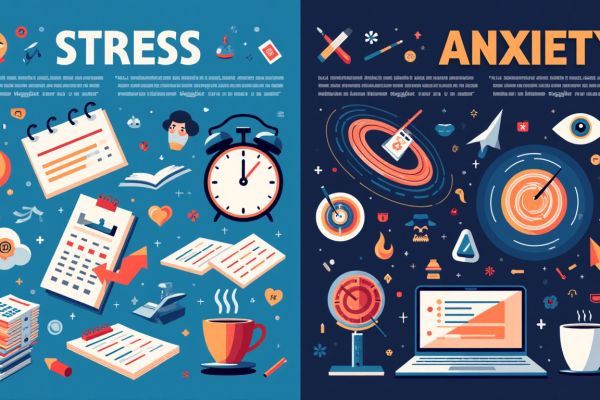
Stress vs Anxiety: How to Tell the Difference and Find the Right Coping Strategies [2025 Guide]
Ever wonder if what you're feeling is just everyday stress or if it's something more like anxiety? You're not the only one who's tried to sort out the difference. Maybe your heart races before a big deadline, or you can't shake that restless feeling even when nothing's wrong.
Stress usually comes from a clear trigger, like a packed schedule or a tough conversation. Anxiety tends to stick around, often without an obvious cause, and can even show up when everything seems fine on the surface. Knowing how to tell anxiety vs stress apart can help you find the right coping strategies, get better support, and improve your mental health in the long run.
Defining Stress: The Body’s Short-Term Alarm System
Stress pops up in daily life, sometimes without warning. It's your body’s natural, built-in alarm system. Imagine sprinting to catch a bus as it pulls away or a big work deadline sneaking up on your calendar—your heart pounds, muscles tense, and your senses sharpen. This isn’t random; it’s your body kicking into gear to help you face an immediate challenge. Understanding how this alarm works can help you draw the line between a normal stress response and something deeper, like anxiety.
The Science Behind Stress
Stress is a quick reaction to something your body or mind sees as a threat or demand. When this happens, your nervous system responds almost instantly. You release hormones like adrenaline and cortisol, which prime you for quick action. This is what many call the "fight-or-flight" response—a phrase you’ll see often in trusted sources like Harvard Health.
Some classic signs of stress:
- Fast heartbeat
- Sweaty palms
- Short, quick breaths
- Muscle tension
- Butterflies in your stomach
This response is short-term and usually fades once the stressful event ends. It's like an internal alarm bell—loud at first, but quieting down once the coast is clear.
Why Stress Is Actually Helpful (At First)
Stress has a bad reputation, but in short bursts, it protects you from danger. For example, if you’re driving and suddenly a car cuts you off, your body jumps into action, helping you brake or steer away safely. In the past, this kept early humans alive when they faced wild animals or other threats.
Here are a few ways stress can be helpful in the short term:
- Keeps you alert and focused
- Spurs you into action in emergencies
- Helps you meet tight deadlines or ace important tasks
Stress is a normal reaction that everyone experiences, and it’s often tied to a clear cause, making it easier to address.
Signs You’re Experiencing Stress (and Not Anxiety)
It’s common to mix up stress with anxiety. Both show up with similar physical symptoms, but stress is directly linked to a specific situation—like an upcoming interview, a tough week at work, or a family argument. Once the issue passes, your stress usually fades too. According to Medical News Today, this is a critical difference when looking at stress vs anxiety.
Typical stress triggers include:
- Work or school deadlines
- Financial worries
- Conflicts with others
- Major life changes (moving, starting a new job)
Stress is predictable and often temporary. While it can cause tension or mood changes, it does not stick around once the problem is solved.
When Stress Becomes a Problem
Short-term stress is part of life, but if it doesn’t turn off or keeps coming back, it can wear you down mentally and physically. Continuous stress may lead to headaches, sleep problems, high blood pressure, and even more serious health conditions. That’s why it’s good to spot the signs early and use strategies for managing stress.
Physical and emotional warning signs that stress is lingering:
- Ongoing trouble sleeping
- Changes in appetite
- Feeling irritable or easily frustrated
- Loss of motivation
Spotting these patterns helps you take steps so stress doesn't linger and turn into something more chronic—or cross over into anxiety territory.
Stress is a natural, short-term reaction designed to protect you and keep you safe. Knowing how your body’s alarm system works makes it easier to tell if stress is truly the problem, or if you might be dealing with something more persistent like anxiety.
What Is Anxiety? When Worry Stays Beyond the Stressor
Some worry is part of life, but anxiety is what happens when that worry lingers even after the stressful event is over. This section breaks down what anxiety is, why it stands apart from stress, and how you can spot the difference in your own life. If stress is an alarm bell that stops ringing once the danger or deadline passes, anxiety feels more like an overactive smoke detector—you’re on edge even when the fire’s out.
Anxiety Defined: When Normal Worry Sticks Around
Anxiety is a state of fear, unease, or dread that hangs on, even after you’ve dealt with an obvious reason for concern. Unlike stress, which comes and goes quickly, anxiety sticks around—often with no clear cause. With anxiety, your mind and body act as if something bad might happen, even if nothing is wrong right now.
You might notice:
- Trouble relaxing or feeling on edge
- Restlessness that doesn’t go away even when life calms down
- Worry that feels bigger than the actual problem—sometimes, no problem at all
- Physical signs like a racing heart, upset stomach, headaches, or tight muscles
If you find these symptoms are keeping you from your usual activities or making it tough to focus, it could be more than just stress. Anxiety is not just a feeling; it can impact how you think, act, and move through your day. The difference between anxiety and stress is less about what triggers it, and more about how it sticks with you beyond the moment of stress.
How Anxiety Feels in the Body and Mind
Anxiety shows up in both physical and emotional ways, sometimes tricking you into thinking you’re just run down or tired. Here are some of the most common symptoms to watch for:
- Lingering nervousness or dread
- Racing thoughts or constant worries
- Difficulty concentrating
- Avoiding places or situations that make you uneasy
- Trouble sleeping, even on calm days
- Unexplained aches or muscle tightness
You may also experience anxiety as a sense of being “always on alert,” scanning for threats even in safe situations. This can make small problems feel bigger and daily life more exhausting.
For more on what anxiety actually feels like (and how it can get in your way), see the National Institute of Mental Health explanation of anxiety disorders.
When Worry Outlasts the Stressor
Stress comes from specific things—like bills, deadlines, or big changes. Once the event ends, your body and mind usually return to normal. But anxiety can stick around, sometimes without a clear trigger at all. You might find yourself worrying about “what if” scenarios or fearing future problems that may never happen.
Here’s how to tell if you’re dealing with anxiety (vs. stress):
| Symptom | Stress | Anxiety |
|---|---|---|
| Trigger | Usually a specific event or issue | Can be unclear or ongoing |
| Duration | Ends when the problem is solved | Persists beyond the stressor |
| Physical Effects | Temporary, fade as stress resolves | Linger, even when calm |
| Thought Patterns | Focused on the present challenge | Worries about the future or “what if” |
If you notice that you feel tense, worried, or restless even when life around you is calm, you’re not just stressed—you could be experiencing anxiety. According to Healthline’s overview of stress and anxiety, anxiety can start to take over daily life and become a struggle all its own.
Why Anxiety Won't Just "Turn Off"
People often think they can snap out of anxiety by just “calming down” or “thinking positive.” But anxiety doesn’t work like a light switch. It sticks around because your brain has entered a loop of worry—sometimes rewiring itself to expect danger, even where there is none. Genetics, past trauma, and ongoing life pressures can all play a part in keeping this worry alive.
You may notice:
- Daily life feels harder even when nothing “bad” is happening
- Avoiding activities because of fear or nervousness
- Feeling easily startled or keyed up most of the time
- Struggling to enjoy things you used to like
Some people live with this loop for months or years before realizing it’s anxiety. That’s why it matters to learn the signs and recognize when “normal stress” crosses a line into “persistent anxiety without a stressor.” For deeper insight on anxiety disorders and how they affect daily living, see Mayo Clinic’s breakdown of symptoms and causes.
Quick Takeaway: Stress vs Anxiety
- Stress comes and goes with your situation.
- Anxiety stays, often without a clear reason.
- Both can feel similar in your body, but anxiety lasts longer and makes life harder to enjoy.
When worry hangs around long after the stressful moment has passed, it’s a sign you might be dealing with anxiety—worth addressing for your well-being. Recognizing this difference can help you find the right coping strategies and support.
Spotting the Difference: Signs, Symptoms, and Triggers
Being able to tell the difference between stress and anxiety sometimes feels like spotting the difference between identical twins—at first glance, the physical and emotional signs might look the same. Know the distinct clues, and it gets easier to answer questions like, "Is this anxiety or stress?" or "What triggers my anxiety vs stress?" Let’s break down what to watch for in yourself and others, so you can figure out what you’re actually facing.
Shared Signs and Unique Symptoms
Stress and anxiety both show up in your body and mind. Heart racing, shallow breathing, tight muscles, and worrying thoughts can all be part of the package. While they may share these reactions, each has unique features you can spot if you pay close attention.
Here are some signs you might notice:
- Stress: Often short-lived, tied to a situation, and tends to fade when the source is gone.
- Anxiety: Lingers long after the event or comes without an obvious reason. It makes life feel harder, even in calm moments.
A quick side-by-side check:
| Symptom | Stress | Anxiety |
|---|---|---|
| Trigger | Clear (deadline, argument) | Unclear or persistent |
| Emotional feel | Frustration, anger | Fear, dread, helplessness |
| Duration | Temporary | Ongoing or chronic |
| Response to solution | Symptoms fade | Symptoms persist |
| Physical reactions | Sweating, tense muscles | Upset stomach, shaky hands |
| Thought patterns | Present-focused | “What if?” worries, future fears |
If you find yourself reliving problems over and over, or you can't explain the source of your upset, those are clues pointing to anxiety and not just stress.
Get more details on overlapping and different symptoms from Medical News Today’s overview and the APA’s guide to stress vs anxiety.
External Stress Triggers vs Internal Anxiety Triggers
To really spot the difference, pay attention to the triggers that set these feelings off. Stress typically has an external root, something outside you that changes or demands your attention. Think work deadlines, family issues, money problems, or moving to a new house.
Some common stress triggers include:
- Work or school pressure
- Sudden changes (job loss, breakup)
- Financial stress
- Tight schedules
You can find a more complete list from Mind’s causes of stress.
Anxiety, on the other hand, is often set off by internal cues. You might worry about things that haven’t happened or spend a lot of time stuck on “what if” questions. These triggers are often harder to pin down because they come from your own thoughts, not just from obvious life events.
Some examples of anxiety triggers:
- Fears about the future or health (“What if I get sick?”)
- Worry about worst-case scenarios even when things are calm
- Overthinking small social slip-ups or mistakes
- Catastrophizing situations that others see as minor
Sometimes, anxiety takes hold even when you can’t name a specific trigger. Your mind and body stay on high alert, searching for danger that isn’t actually there. Read more about how certain life situations or a buildup of smaller worries can set off persistent anxiety at Mayo Clinic’s explanation of anxiety triggers.
How to Tell: Quick Self-Check
If you’re unsure whether you’re stressed or anxious, try this step-by-step self-check:
- Identify the trigger: Can you name what’s bothering you right now? Is there a clear event or deadline ahead?
- Notice the duration: Did your symptoms fade after the problem was solved, or are they lingering?
- Watch your thoughts: Are you focused on the current situation, or spinning out about things that might happen?
- Check your body: Do you feel a quick burst of physical tension, or a steady hum of dread that doesn’t stop?
- Is it affecting your daily life: Are you avoiding things you used to do, or struggling to enjoy your normal routine?
If your answers point you toward ongoing worry and physical signs that don’t let up, anxiety may be the main issue. If your symptoms feel tied to something happening now and fade quickly, it's probably stress.
Learning to spot these differences helps you find targeted coping strategies, whether you need quick stress relief or approaches for persistent anxiety.
For help with recognizing symptoms and getting relief, there’s more guidance at Cleveland Clinic’s stress resource.
Why It Matters: Health Impacts and When to Seek Help
Stress and anxiety are more than uncomfortable feelings—they shape your body, health, and even your future well-being. While it’s common to brush off a stressful month or a stretch of anxious nights, letting these feelings build up poses real risks. Spotting the turning point—when ordinary stress shifts into ongoing anxiety or interferes with your health—helps you protect your mind and body before bigger problems set in.
The Real-Life Health Impacts of Stress and Anxiety
Staying in a state of worry isn’t just “all in your head.” Both chronic stress and persistent anxiety set off a complex chain reaction in your body. Over time, this wears you down and can put you at risk for serious medical issues.
Key long-term health impacts include:
- Cardiovascular problems: Chronic stress ramps up your heart rate and blood pressure, and over time, this ups your risk for heart attack or stroke.
- Weakened immune system: High stress hormones, especially cortisol, weaken your body’s defenses, making you more likely to get sick.
- Digestive issues: Stress and anxiety can trigger stomach pain, nausea, and cycles of diarrhea or constipation.
- Sleep disturbances: Trouble sleeping is a major red flag. You may have insomnia, restless sleep, or feel tired even after a full night’s rest.
- Muscle pain and headaches: Persistent muscle tension leads to frequent headaches and even jaw pain.
- Mental health issues: Ongoing stress and anxiety raise your risk for depression, substance misuse, and burnout.
Research reviewed by the Mayo Clinic and Harvard Health shows how chronic stress and unmanaged anxiety raise inflammation, lower your immune response, and affect key brain regions that regulate mood and clear thinking.
When to Seek Help: Signs You Shouldn’t Ignore
It’s normal to have stressful weeks or to feel nervous before major life events. The line gets crossed when symptoms linger, get worse, or start getting in the way of daily life. How do you know when it’s time to reach out for extra support?
Here are some warning signs that stress or anxiety is impacting your health:
- Worry or fear that doesn't go away, even after the trigger passes
- Physical symptoms (headaches, stomachaches, rapid heartbeat) without a clear cause
- Trouble focusing, forgetfulness, or ADHD-like symptoms
- Losing interest in things you once enjoyed
- Thinking about worst-case scenarios constantly
- Avoiding routine tasks, social events, or work
- Changes in appetite or unexplained weight loss/gain
If you’re experiencing panic attacks, persistent sadness, or constant dread, it’s time to check in with a professional. These signs can signal that you’re dealing with more than temporary stress. According to Columbia Doctors, chronic stress is linked to weight changes, sleep problems, and increased risk of diseases that need medical attention.
Don’t wait for things to get worse. Reaching out isn’t a sign of weakness—it shows you value your health. You might start by talking to a primary care provider, a counselor, or a mental health specialist. Check this resource from Peace of Mind 4 Wellness about seeking professional help to see how early support can make a difference for both stress and anxiety.
Simple Self-Check: When Stress or Anxiety Needs Extra Support
If you’re unsure whether to seek help, try this quick checklist. Check all that apply:
- My stress or anxiety has lasted more than two weeks.
- I’m avoiding activities or people.
- My symptoms are causing problems at work, school, or in relationships.
- I feel hopeless or overwhelmed every day.
- I use alcohol, food, or other substances to cope.
If any box gets checked, it’s a good idea to reach out for support. Mental health is as important as physical health (see why at Healthcare Utah), and help is available at any stage.
Spotting the difference between ordinary stress and persistent anxiety helps you know when it’s time to act. Your body and mind give you signals—paying attention to them can prevent long-term harm and lead to better coping strategies for both stress and anxiety.
Coping Strategies: Managing Stress vs. Managing Anxiety
Figuring out if you’re dealing with stress, anxiety, or both is like trying to separate salt from sugar—they look and even taste similar at first. Yet knowing which one you’re experiencing lets you use the coping strategies that work best. Start by learning what actually sets off your stress or anxiety. Sometimes, it’s clear: a tight deadline, a tough conversation, or a pile of bills. Other times, the feeling creeps in without a clear trigger and sticks around, turning into anxious worry that won’t leave you alone. The key to effective coping is first spotting the triggers—both outside events and patterns in your own thoughts.
Identifying Your Triggers: Internal vs External Causes
Nearly everyone faces both stress and anxiety at some point, but the causes are different. Pinpointing whether your reaction is triggered by public pressure or by your own mind helps you find the right way to feel better. Here’s how to tell the difference and why it matters.
Stress Triggers vs Anxiety Triggers
- External (Stress) Triggers:
- These triggers usually have a direct cause you can name. Think work deadlines, school exams, relationship arguments, financial worries, moving, or even waiting in a long line at the store. Stress pops up as a response to events right in front of you.
- Internal (Anxiety) Triggers:
- These triggers start inside your mind. They come from repeated thoughts, fears, or “what if” worries, even if there’s no problem in the moment. Anxiety can arise from memories, nervous habits, self-criticism, or generalized worry about the future.
Examples to Spot Triggers Faster
Let’s break it down with real-world situations:
| Situation | Stress Trigger (External) | Anxiety Trigger (Internal) |
|---|---|---|
| Big exam next week | Worry about failing that exam | “Even if I prepare, I’ll probably mess up everything.” |
| Argument with a friend | Reaction to a fight or tough conversation | Wondering if your friends secretly dislike you |
| Busy workplace or job loss | Heavy workload, layoffs, job insecurity | Persistent fear that you’ll never get another job |
| Reliving a past mistake | Not common for stress unless repeated | Obsessive replaying in your mind, fear it will happen again |
Become aware of how you feel before and after something happens. Do you settle down once a work meeting ends? That’s stress. Do your worries spiral hours or days later, even with nothing going wrong? That’s anxiety.
Tips for Pinpointing Your Personal Triggers
- Write down what you were doing, thinking, or feeling when symptoms started.
- Notice if feelings fade when an event passes (stress) or if they stick around without reason (anxiety).
- Pay attention to recurring thought patterns, such as worst-case scenarios or constant second-guessing.
According to Healthline's guide to anxiety triggers, common anxiety triggers can include negative thinking, skipped meals, social fears, or even caffeine. Stress triggers, on the other hand, often start from external pressure points like heavy workloads or sudden changes, explained by the American Psychological Association.
Why Awareness Matters for Prevention
Knowing your triggers isn’t just a mental health exercise—it’s step one in preventing symptoms from controlling your day. Being aware gives you two big advantages:
- You can avoid, limit, or prepare for outside stressors.
- You can interrupt anxious thought loops before they get out of hand.
This awareness helps you figure out the coping strategies you really need: deep breathing or exercise for immediate stress relief, or meditation and cognitive behavioral tools for anxious thought patterns. If you want more insight into the differences between stress vs anxiety triggers and how they overlap, the Mayo Clinic’s breakdown is a solid resource.
Learning how to spot and label your triggers is the start to managing both stress and anxiety—for good. The next steps are all about choosing practical coping tools that match what you’re actually facing.
Questions and Misconceptions: Common Concerns About Stress and Anxiety
Sorting through feelings of stress and anxiety can feel like picking apart tangled headphone wires. Many people get mixed up about what each one actually means, or worry they’re alone in what they’re experiencing. Let’s clear up the biggest questions and the most common myths about stress vs anxiety, so you can figure out what’s really going on and what to do about it.
Do Stress and Anxiety Mean the Same Thing?
It’s easy to see why people use “anxiety” and “stress” almost interchangeably—they both make your heart race, twist your stomach, and fill your mind with worry. Yet they’re not identical. Stress is usually a response to something you can name, like a looming deadline or an awkward conversation. Anxiety doesn’t always need a reason; it can stick around even when everything seems fine. Their overlap can leave people asking, “Is this just stress or am I actually anxious?” For a thorough side-by-side, the American Psychological Association breaks down key differences, including how symptoms can overlap and when they start to diverge.
“Is It Weak to Feel Stressed or Anxious?”
Plenty of people quietly ask themselves if having these feelings is a sign of weakness or not being able to cope. The truth is, both stress and anxiety are normal reactions, and neither signals a flaw in character or willpower. Believing that stress or anxiety means weakness can stop someone from reaching out for help. In reality:
- Everyone experiences stress and anxiety at times.
- These reactions are hardwired into us for survival.
- Recognizing stress or anxiety is a sign of self-awareness, not weakness.
To see more about why these feelings do not mean something is wrong with you, check out common myths explained at The Share Collective’s list of stress and anxiety myths.
“Should I Worry if I’m Always Stressed or Anxious?”
Feeling stressed or anxious all the time isn’t something you just have to accept. Chronic stress and persistent anxiety can take a toll on your body, mood, and relationships. The key concern is duration—feeling on edge once in a while is different from never feeling at ease. If daily life starts to feel harder and these feelings stick around, it’s probably time to take a closer look.
Common signs it’s time to check in with yourself:
- Symptoms last more than a couple of weeks
- Sleep, appetite, or focus is getting worse
- You’re avoiding things or people you used to like
- Physical symptoms (headaches, stomach issues) show up
For guidance on when to seek more support, see the tips at Healthline’s guide to stress and anxiety.
“Can Stress Turn Into Anxiety?”
This is a question many people have but don’t always say out loud. The answer is yes—stress can sometimes stick around long enough that your brain and body shift into anxious patterns. It’s like your alarm system gets stuck in the “on” position. When the original stressor is gone but worrying sticks around, this is how chronic stress can drift into anxiety. Learn more about these patterns at Clinical Partners’ stress vs anxiety guide.
“Is It True That Only Certain People Get Anxiety?”
It might look like some people are immune to anxiety, but that’s usually not the case. Anxiety and stress don’t discriminate by age, background, or personality. Everyone is wired with the same basic responses, and outside pressures or internal worries can affect anyone. Some are better at hiding it, but that doesn’t mean it isn’t there.
What actually causes anxiety can include:
- Genetics (family history)
- Past trauma or ongoing life stress
- Health changes
- Learned responses and thinking habits
You’re never alone in wondering, “Why am I anxious vs stressed?” Thousands have the same question, and there’s real science behind both. The Anxiety and Depression Association of America debunks myths about who gets anxiety.
Top Myths to Stop Believing
There are a few stubborn misconceptions that just won’t quit, so let’s clear them up:
- “Stress and anxiety are always harmful.” Not true. Short bursts of these feelings get you out of danger, help you perform, and push you to solve problems.
- “You can always just calm down.” If it were that easy, no one would struggle. Anxiety especially doesn’t just “turn off.”
- “Stress looks the same for everyone.” What rattles one person might motivate another.
- “You have to figure it out alone.” Support, therapy, and lifestyle changes help millions move from chronic stress and anxiety to better days.
For more reality checks, review the 6 most common myths about stress.
Sorting facts from fiction about anxiety vs normal stress helps people find the right coping strategies and compassion—for themselves and others.
Conclusion
Stress and anxiety might look the same at first but have different roots and long-term effects. Stress is your body’s quick response to daily challenges or changes, usually tied to an external cause, and it fades once the trigger passes. Anxiety, on the other hand, sticks around or shows up for no clear reason, often becoming part of your daily life and mindset.
Recognizing whether you’re dealing with temporary stress or persistent anxiety can shape your coping strategies and guide you toward the right kind of support. If your symptoms are long-lasting, worsen over time, or make it hard to function, reaching out for help is the smart move—not a weakness. Reflect on your patterns and don’t wait until things feel unmanageable. Support is always available, whether through a trusted counselor, a mental health hotline, or resources from the National Institute of Mental Health, APA, or SAMHSA’s helpline.
Take care of your well-being—notice when your body and mind are asking for rest, connection, or help. Your mental health matters as much as your physical health. If you have thoughts or stories to share, drop a comment below or connect with others who understand what it’s like to feel stressed or anxious.